 11
11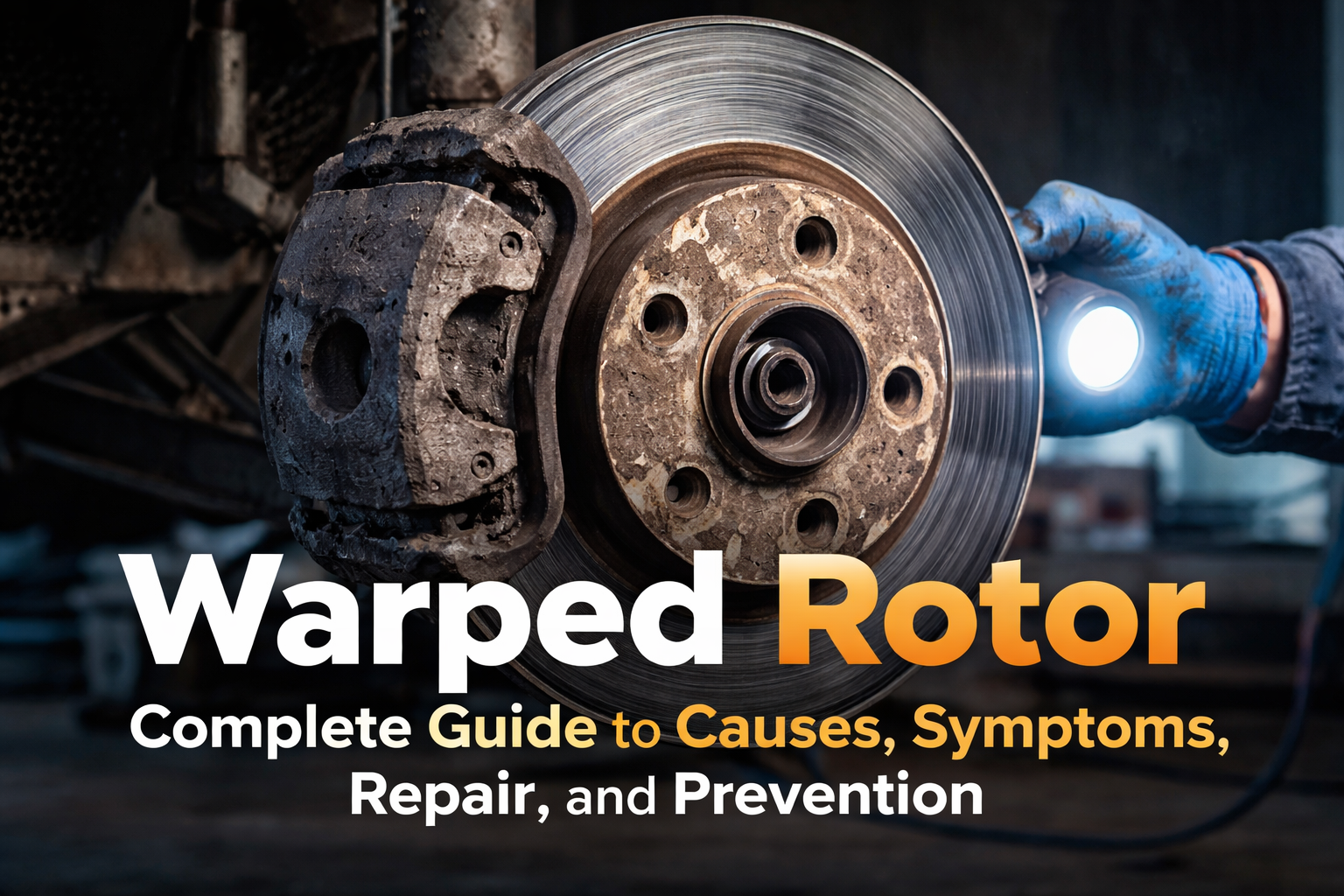
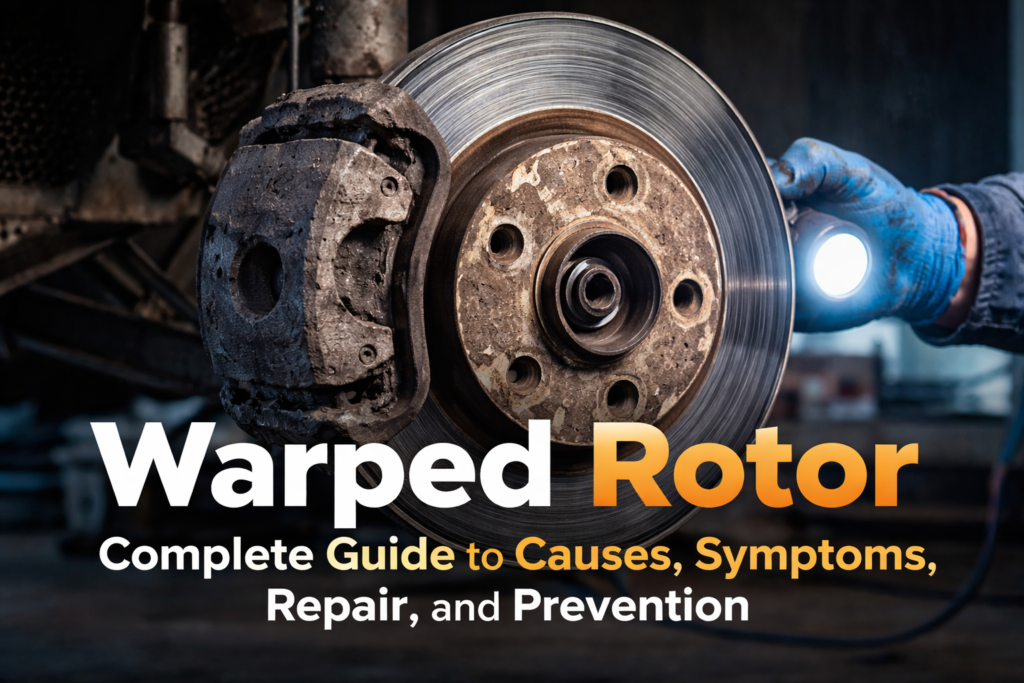
A Warped Rotor is one of the most common brake problems found in vehicles today. Many drivers experience shaking, vibration, or strange noise while braking but do not understand the real reason behind it. In most cases, the issue comes from uneven brake rotor surfaces that affect smooth stopping performance. A Warped Rotor can slowly reduce driving safety if it is ignored for a long time.
This problem usually starts with small signs, but it becomes worse over time. Heat, driving style, and poor maintenance are the main reasons behind it. A Warped Rotor does not only affect comfort but also increases stopping distance, which can be dangerous in emergency situations. In this detailed guide, you will learn causes, symptoms, repair methods, prevention tips, and real-world insights in simple language.
A Warped Rotor is a brake disc that becomes uneven due to heat, stress, or wear. When the surface is not smooth, brake pads cannot grip properly. This leads to vibration and weak braking performance. In simple words, the rotor loses its perfect shape and becomes irregular.
The term warped disc brake rotor is commonly used, even though in many cases the rotor is not physically bent. Instead, the surface develops heat spots or uneven material transfer. A Warped Rotor reduces braking efficiency and can affect overall vehicle control if not repaired on time.
A Warped Rotor usually develops due to excessive heat buildup. When brakes are used repeatedly, especially at high speeds, the rotor temperature increases quickly. This heat changes the metal surface and creates uneven friction points.
Other major causes include sudden hard braking, downhill driving, and carrying heavy loads. Low-quality brake pads can also increase the risk. Over time, these conditions slowly damage the rotor surface. Poor maintenance or ignoring early brake issues can also turn a normal rotor into a Warped Rotor.
The signs of warped rotors are usually easy to feel while driving. One of the most common signs is vibration in the steering wheel when applying brakes. Another sign is a pulsing brake pedal that feels uneven under your foot.
You may also hear unusual sounds like grinding or squealing. These noises occur due to uneven contact between pads and rotor. A Warped Rotor also increases stopping distance, which is a serious safety concern. If these symptoms appear, immediate inspection is recommended.
The warped brake rotor symptoms become more noticeable as the problem grows. Drivers often feel shaking in the steering wheel, especially at higher speeds. Brake pedal vibration is another common symptom that indicates uneven rotor surface.
In some cases, the car may pull slightly to one side while braking. This happens because the rotor is not applying equal pressure. A Warped Rotor can also cause uneven brake pad wear, which reduces the lifespan of the braking system.
This table gives a clear breakdown of how a Warped Rotor behaves in real driving conditions. It helps you quickly identify problems and understand solutions.
| Problem Area | Common Symptoms | Main Causes | Recommended Solution |
|---|---|---|---|
| Steering Wheel Vibration | Shaking during braking | Uneven rotor surface, heat buildup | Resurfacing or replacement |
| Brake Pedal Pulsation | Up-down pedal movement | Rotor thickness variation | Machining or replacement |
| Noise While Braking | Grinding or squealing sound | Poor pad contact with rotor | Brake inspection + repair |
| Longer Stopping Distance | Slow braking response | Reduced friction efficiency | Immediate brake service |
| Car Pulling Sideways | Vehicle drift while braking | Uneven rotor wear | Balanced rotor replacement |
| Brake Overheating | Burning smell | Heavy braking or downhill stress | Driving habit correction |
This table clearly shows how a Warped Rotor affects different parts of braking performance and what action should be taken.
A Warped Rotor directly affects vehicle safety. When braking becomes uneven, the car takes longer to stop. This increases the risk of accidents, especially in traffic or emergency situations.
Steering vibration also makes it difficult to control the vehicle properly. Over time, the braking system becomes weaker due to extra stress. If ignored, a Warped Rotor can damage brake pads, calipers, and other components, leading to expensive repairs.
The warped brake rotor repair process depends on damage level. If the rotor is slightly damaged, resurfacing can restore its smooth surface. This removes uneven layers and improves braking performance.
However, if the damage is severe, replacement is the only safe option. A heavily damaged Warped Rotor cannot provide safe braking even after repair. Mechanics usually recommend replacing both rotors on the same axle for balance.
To properly fix warped brake rotors, a full brake inspection is required. Mechanics measure rotor thickness and check surface condition. If the rotor is within safe limits, machining can fix it.
If not, replacement is necessary. A Warped Rotor should never be ignored or temporarily adjusted without proper inspection. After repair, new brake pads must be properly bedded in for smooth performance.
Many drivers confuse a Warped Rotor with a worn rotor. A warped rotor has uneven surface due to heat or stress. A worn rotor becomes thin over time due to regular use.
Warped rotors usually cause vibration, while worn rotors mainly reduce braking power. Understanding this difference helps in correct diagnosis and repair decisions.
Preventing a Warped Rotor is easier than repairing one. Smooth braking habits play a big role. Avoid sudden hard braking unless necessary. This reduces heat buildup in the braking system.
Regular maintenance is also important. Using good-quality brake pads reduces uneven pressure on rotors. Avoid overloading your vehicle because extra weight increases brake stress and heat.
A proper inspection is needed to confirm a Warped Rotor. Mechanics use measuring tools to check rotor surface and thickness. They also test braking under real conditions.
Sometimes symptoms may look like rotor issues but are actually caused by tires or suspension problems. That is why professional diagnosis is always recommended before repair.
The cost of fixing a Warped Rotor depends on damage level. Resurfacing is cheaper, but not always possible. If the rotor is too thin, replacement is required.
Labor cost and vehicle type also affect pricing. Early detection of a Warped Rotor helps reduce total repair cost significantly. Ignoring the issue increases damage and expenses.
When a Warped Rotor develops, the brake disc surface becomes uneven due to heat and pressure. This uneven surface causes the brake pads to make inconsistent contact during braking. As a result, the vehicle may shake or vibrate, especially when slowing down from higher speeds. Many drivers first notice a Warped Rotor issue as a slight steering wheel wobble, which gradually becomes more noticeable over time. If ignored, this condition can also reduce braking efficiency and increase stopping distance, making driving less safe in daily traffic conditions.
Early detection of a Warped Rotor is very important for safety and cost control. The first warning signs usually include a light vibration in the steering wheel or brake pedal when slowing down. Some drivers also feel a “pulsing” sensation while braking. Another early sign is unusual noise that was not present before, especially light grinding or squeaking sounds. In some cases, the car may feel slightly unstable during braking. These early symptoms often appear before serious damage occurs, giving drivers a chance to fix the issue before it becomes expensive.
Certain driving habits greatly increase the chances of developing a Warped Rotor. Frequent hard braking, especially at high speeds, generates excessive heat in the braking system. Driving downhill for long distances while continuously applying brakes also puts extra stress on rotors. Another risky habit is keeping unnecessary pressure on the brake pedal, known as “riding the brakes.” Overloading the vehicle can also increase heat buildup and rotor wear. Over time, these habits cause uneven heating, which leads to surface distortion and eventually a Warped Rotor condition.
Yes, a Warped Rotor can indirectly damage other braking components if not repaired in time. When the rotor surface is uneven, brake pads wear out faster because they are not making smooth contact. This leads to early pad replacement. In severe cases, brake calipers may also experience extra stress due to uneven pressure distribution. Over time, this imbalance can reduce the overall performance of the entire braking system. That is why fixing a Warped Rotor early is important to protect the full brake setup and avoid unnecessary repair costs.
To confirm a Warped Rotor, mechanics use specialized measuring tools to check rotor thickness variation and surface smoothness. One common method is using a dial indicator to detect even the smallest uneven movement in the rotor surface. They may also visually inspect heat spots, cracks, or discoloration. Sometimes a road test is performed to feel vibration during braking. Interestingly, in some cases, symptoms that look like a Warped Rotor may actually come from tire imbalance or suspension issues. That is why a proper professional diagnosis is always recommended before repair decisions.
A Warped Rotor is a serious but preventable brake issue. It affects comfort, control, and safety. Early symptoms like vibration, noise, and uneven braking should never be ignored.
Proper driving habits, regular maintenance, and timely inspection can prevent most rotor problems. If you ever notice signs of a Warped Rotor, take immediate action to avoid further damage and ensure safe driving.