 11
11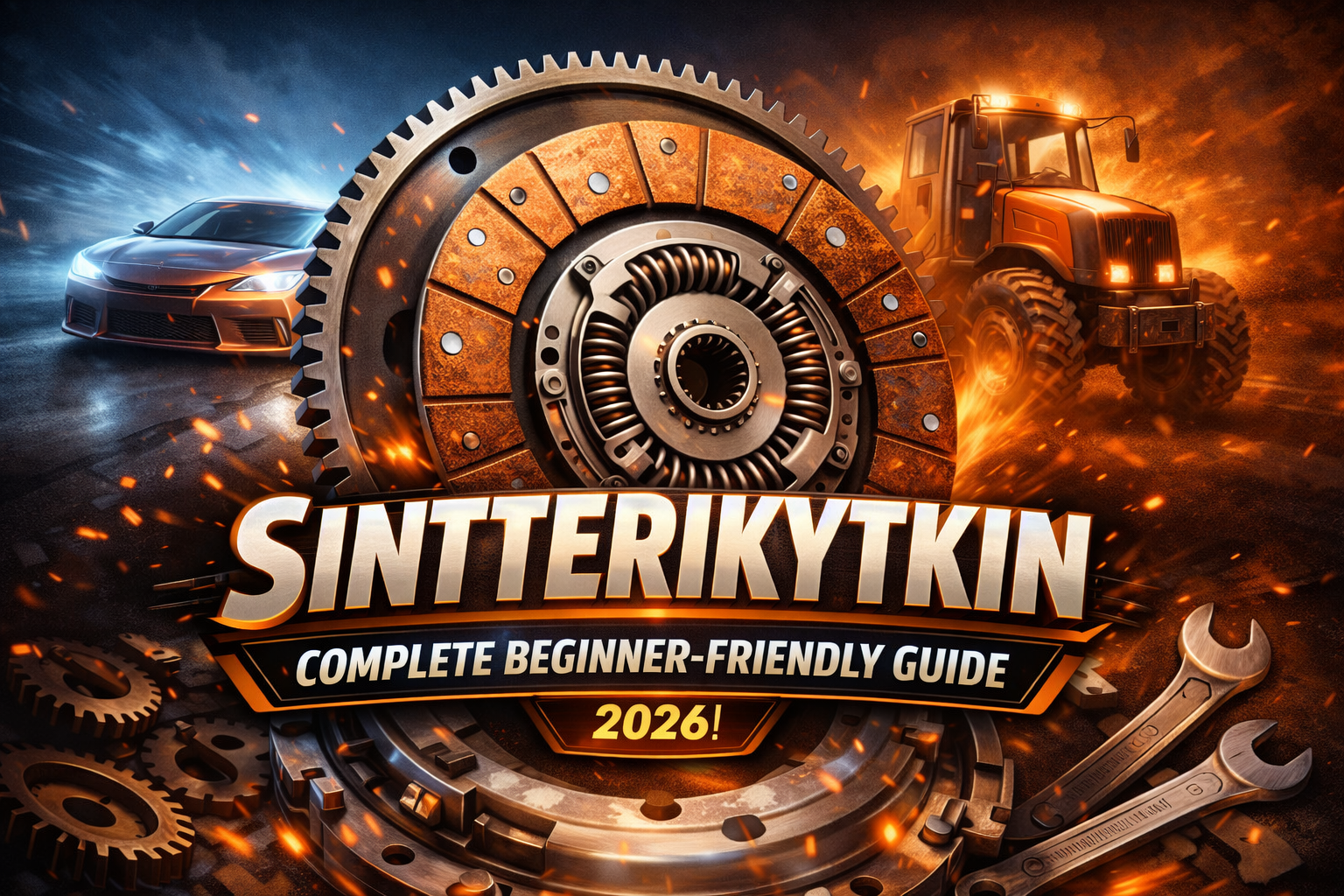
If you work with machines, motors, or power tools, you may have heard the word sintterikytkin. At first, it sounds complex. But do not worry. It is easier to understand than you think.
A sintterikytkin is a type of clutch. It is strong and built for tough work. You often find it in racing cars, motorcycles, tractors, and industrial machines. It can handle high heat and heavy pressure. That is why many professionals trust it.
In this guide, I will explain everything in simple words. You will learn how a sintterikytkin works, where it is used, and why it is different from other clutches. I will also share real-life insights from mechanical work and practical setups. By the end, you will fully understand whether this clutch is right for your needs.
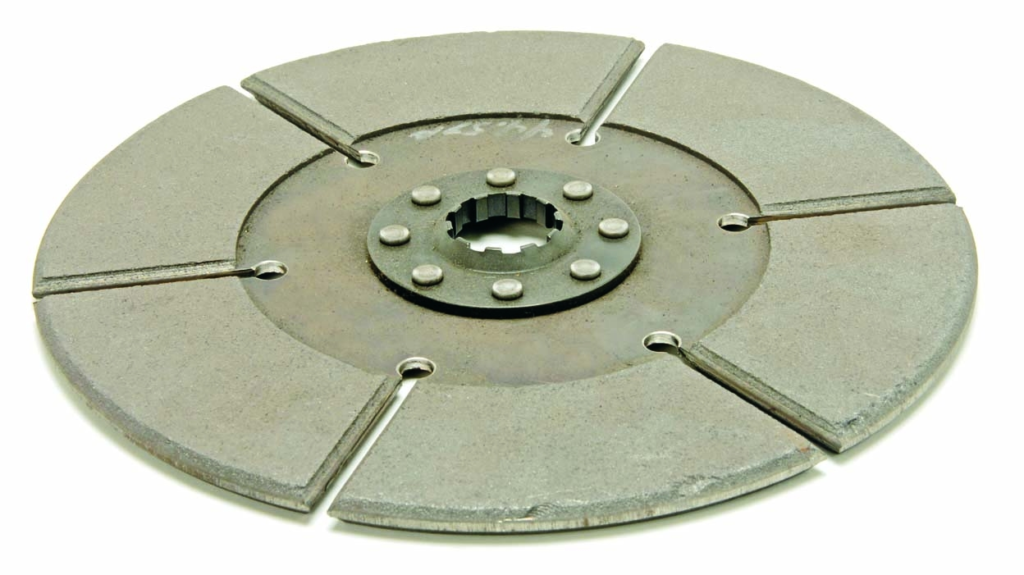
A sintterikytkin is a clutch made using sintered metal materials. The word “sintered” means metal particles are pressed and heated until they bond together. This creates a very strong surface.
Unlike organic clutch plates, this clutch uses metallic compounds. These metals resist heat better. They also create more friction. More friction means stronger grip.
Because of this, a sintterikytkin can transfer high torque without slipping. That makes it perfect for racing and heavy-duty work. However, it can feel harder and less smooth during driving.
In simple terms, it is a powerful clutch made for strength, not comfort.
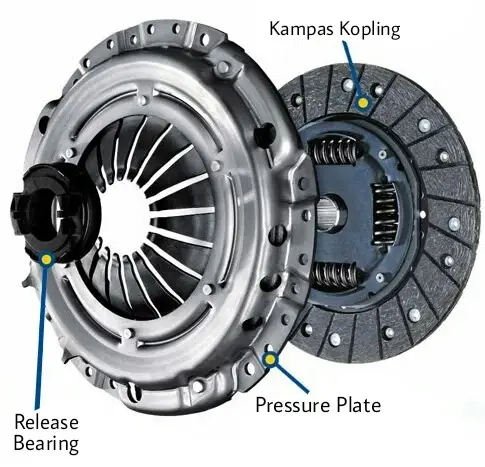
To understand how a sintterikytkin works, you must first understand basic clutch operation.
A clutch connects the engine to the gearbox. When you press the clutch pedal, the connection breaks. When you release it, the connection returns.
The sintterikytkin works the same way. But its friction plate is made from sintered metal. When the clutch engages, the metal surface grips the flywheel very strongly.
This strong grip helps transfer engine power quickly. That is why race cars respond faster with this clutch.
From experience, I can say that engagement feels sharper. There is less “soft” movement. It grabs quickly and firmly.
Many people ask this question. The answer depends on your needs.
A normal organic clutch is smoother. It is comfortable for daily driving. But it wears out faster under heavy stress.
A sintterikytkin lasts longer in extreme conditions. It handles heat better. It also supports high horsepower engines.
If you modify your engine or increase turbo pressure, a normal clutch may slip. A sintterikytkin prevents that slipping.
However, it can feel aggressive. In city traffic, it may not feel smooth. So, it is best for performance or industrial use.
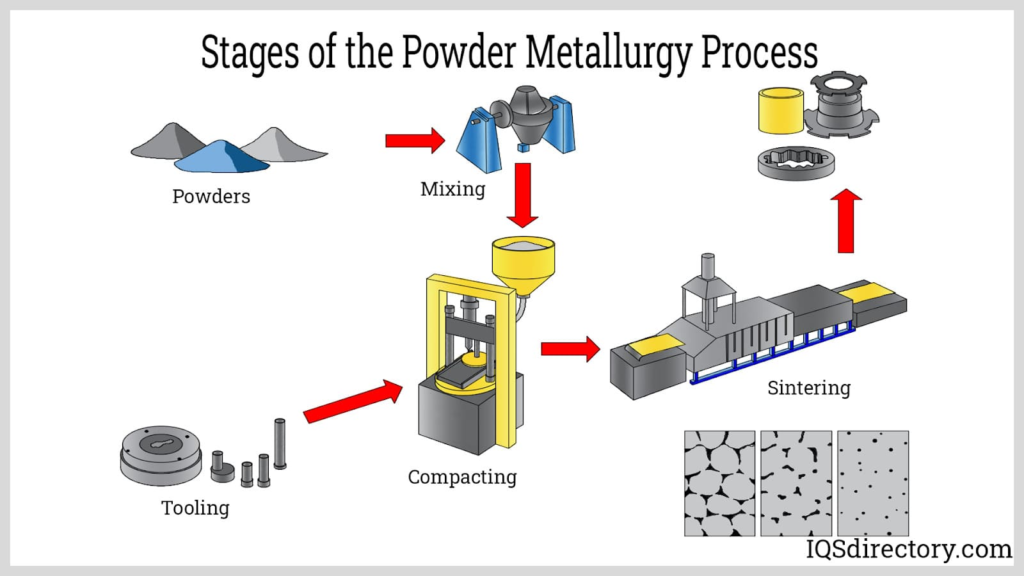
The power of a sintterikytkin comes from its material.
Manufacturers use metal powders like bronze, iron, copper, or ceramic blends. These powders are pressed under high pressure. Then they are heated in a furnace.
This heating bonds the particles together. The result is a dense and hard surface.
Some advanced versions mix ceramic and metallic elements. These are called ceramic-metallic clutches.
Because of this material strength, the clutch handles extreme friction and temperature.
You will find sintterikytkin in many high-performance environments.
It is popular in racing cars. Drivers need fast power transfer. They cannot afford clutch slip.
Motorcycle racers also use it. High RPM engines require strong grip.
Heavy tractors and industrial machines also depend on this clutch. These machines carry heavy loads daily.
In my experience, performance workshops often recommend sintterikytkin when upgrading turbo engines.
The biggest benefit is durability. It lasts longer under stress.
It also resists heat very well. Heat is the main reason clutches fail.
Another benefit is strong torque handling. High horsepower cars need this strength.
It also provides quick engagement. This improves acceleration response.
For racing or towing, this clutch is very reliable. Many performance drivers trust it completely.
No product is perfect.
A sintterikytkin can feel harsh. It may vibrate slightly during engagement.
It can also create more noise compared to organic clutches.
For beginners, smooth starts may feel difficult at first.
It may also wear the flywheel faster if not installed correctly.
So, comfort lovers may not enjoy it for daily commuting.
Let us compare both clearly.
An organic clutch is soft and smooth. It is ideal for daily use.
A sintterikytkin is strong and aggressive. It suits performance engines.
Organic types wear faster under high heat. Sintered types survive longer.
However, organic clutches feel more comfortable in traffic.
If you drive normally, organic is fine. If you push limits, sintterikytkin is better.
Proper installation is very important.
Always resurface or replace the flywheel when installing a new sintterikytkin.
Make sure alignment is correct. Wrong alignment causes vibration.
Use correct torque settings for bolts.
After installation, follow a break-in period. Even metallic clutches need proper bedding.
I have seen many failures caused by poor installation. Always use a skilled mechanic.
Even strong clutches need care.
Avoid riding the clutch pedal. This causes heat buildup.
Do not overload the vehicle beyond limits.
Check for unusual noise or vibration.
Regular inspection helps prevent major issues.
With good care, a sintterikytkin can last many years.
A slipping clutch is the main sign.
If engine RPM increases but speed does not, it may be slipping.
Burning smell is another warning.
Hard shifting or grinding can also indicate wear.
If you notice these issues, inspect the sintterikytkin quickly.
The price depends on brand and vehicle type.
It is usually more expensive than organic clutches.
However, it lasts longer in high-performance setups.
For racing or heavy work, the investment is worth it.
Always choose trusted manufacturers for safety.
It can be used daily, but it may feel rough in traffic.
With proper care, it can last longer than organic clutches in high-stress use.
If installed properly, it should not. Poor setup may cause wear.
Yes. It handles higher torque very well.
Yes. Short bedding time improves performance.
It costs more upfront but offers long-term durability.
A sintterikytkin is built for strength. It is made for power. It is designed for performance.
If you drive aggressively, race vehicles, tow heavy loads, or upgrade engines, this clutch is a smart choice.
However, if comfort matters more than power, you may prefer an organic clutch.
From practical experience, I can say that choosing the right clutch depends on your driving style. Think about your needs. Talk to a trusted mechanic. Then decide wisely.
If you are planning a performance upgrade, consider the sintterikytkin carefully. It might be the powerful solution your machine needs.