 11
11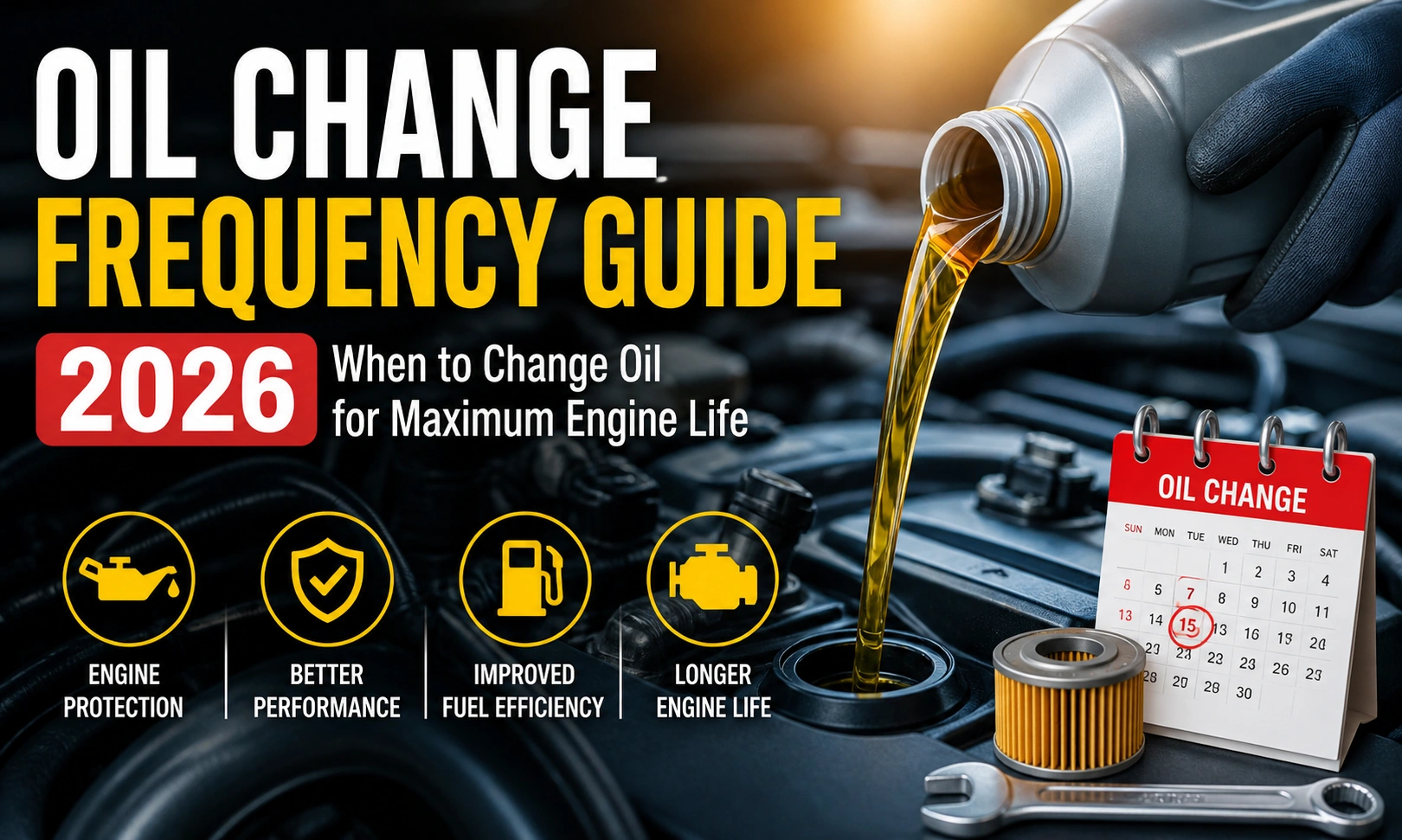
Your car’s engine works hard every day. It faces heat, friction, dirt, and long drives. Clean oil keeps all those moving parts protected. But many drivers still ask one simple question: how often should you change your oil?
Understanding the right Oil Change Frequency can save money, improve fuel mileage, and help your engine last longer. Wait too long, and dirty oil may damage important engine parts. Change it too early, and you may waste time and money.
Modern vehicles now use different oils, smarter sensors, and advanced engines. That means the old “every 3,000 miles” rule is not always correct anymore. The right schedule depends on your driving style, oil type, climate, and vehicle age.
In this guide, you’ll learn everything about proper oil change timing. We’ll cover synthetic oil schedules, transmission service intervals, warning signs, costs, and expert maintenance tips. You’ll also discover how professional services like quick lube centers and dealership shops compare in real life.
Motor oil does much more than simply lubricate the engine. It cools hot engine parts, removes dirt, reduces friction, and helps prevent rust. Fresh oil also keeps your engine cleaner inside. When oil gets old, it becomes thick and dirty. That dirty oil cannot protect the engine properly.
Ignoring proper Oil Change Frequency may lead to engine wear, overheating, and expensive repairs. Small metal particles build up over time. Sludge may form inside the engine. Once sludge spreads, oil flow becomes weaker. That can damage pistons, bearings, and timing components.
I once drove an older sedan that skipped oil changes for almost a year. The engine became noisy during cold mornings. Fuel mileage also dropped badly. After a full oil service, the engine became smoother again. That experience showed how important regular maintenance really is.
Today’s engines are more advanced, but they still depend heavily on clean oil. Regular oil changes remain one of the cheapest ways to protect a vehicle long term.
There is no perfect schedule for every vehicle. Several factors affect the best auto oil change frequency for your car or truck. The biggest factor is the oil type. Conventional oil breaks down faster than synthetic oil. Driving conditions also matter a lot.
Short trips are harder on engine oil because the engine may never fully warm up. Heavy traffic, towing, dusty roads, and extreme weather can also shorten oil life. Drivers in hot cities often need oil changes sooner than highway drivers.
Newer vehicles usually include oil life monitoring systems. These systems track engine temperature, speed, and driving habits. They provide more accurate reminders than simple mileage estimates.
Here is a quick look at common oil intervals:
| Oil Type | Typical Mileage Interval | Driving Conditions |
|---|---|---|
| Conventional Oil | 3,000–5,000 miles | Basic daily driving |
| Synthetic Blend Oil | 5,000–7,500 miles | Mixed driving |
| Full Synthetic Oil | 7,500–15,000 miles | Modern engines/highway driving |
Always check your owner’s manual first. Manufacturer recommendations should guide your maintenance schedule.
Modern engines increasingly use synthetic oil because it performs better under heat and stress. The correct full synthetic oil change frequency is often between 7,500 and 15,000 miles. However, your actual interval depends on your driving habits.
Synthetic oil flows better during cold starts. It also resists breakdown during hot weather and heavy driving. That is why many luxury cars and turbocharged engines require synthetic oil only.
Drivers often confuse the terms oil change frequency synthetic and oil change frequency with synthetic oil. Both simply refer to how long synthetic oil can safely last before replacement.
One major benefit of synthetic oil is engine cleanliness. It leaves fewer deposits and helps reduce sludge formation. That can improve engine performance over many years.
Although synthetic oil costs more upfront, it may lower long-term maintenance costs. Fewer oil changes mean less downtime and fewer service appointments. Many drivers find the added protection worth the higher price.
Synthetic blend oil combines conventional oil with synthetic additives. It offers better protection than regular oil while costing less than full synthetic products. The ideal synthetic blend oil change frequency usually falls between 5,000 and 7,500 miles.
Many SUVs, crossovers, and midsize sedans use synthetic blend oil successfully. It handles heat better than conventional oil and improves engine protection during stop-and-go traffic.
Drivers searching for oil change frequency synthetic blend or oil change frequency with full synthetic blend often want affordable maintenance without sacrificing quality. Synthetic blends work well for moderate driving conditions.
Still, severe driving may shorten oil life. If you tow trailers, drive in mountains, or spend hours in traffic, more frequent service may be necessary.
Here is a helpful comparison:
| Feature | Conventional Oil | Synthetic Blend | Full Synthetic |
|---|---|---|---|
| Price | Lowest | Medium | Highest |
| Engine Protection | Basic | Better | Best |
| Heat Resistance | Moderate | Good | Excellent |
| Recommended Interval | Shorter | Medium | Longest |
Synthetic blends provide solid value for drivers who want stronger engine protection without premium pricing.
Mileage alone does not always tell the full story. Your vehicle often gives warning signs when oil becomes dirty or low. Recognizing these signs early can prevent engine damage.
One common symptom is louder engine noise. Fresh oil cushions moving parts. Old oil loses that protection. Knocking or ticking sounds may appear when lubrication weakens.
Another warning sign is dark, thick oil on the dipstick. Clean oil usually looks amber or golden. Dirty oil becomes black and gritty over time.
Many modern vehicles also display oil warning lights or maintenance reminders. Never ignore these alerts. They exist to protect your engine.
Watch for these common symptoms:
Following proper Oil Change Frequency helps avoid these problems before they become expensive repairs.
Engine oil gets most of the attention, but transmission fluid matters too. Many drivers forget about transmission service until problems appear. That mistake can become very costly.
The proper auto transmission oil change frequency depends on the vehicle and transmission type. Most automatic transmissions need service every 30,000 to 60,000 miles. Some newer vehicles may stretch longer.
Transmission fluid cools and lubricates internal gears and clutch packs. Over time, heat breaks the fluid down. Dirty fluid may cause slipping, delayed shifting, or rough gear changes.
A proper transmission oil change service may include fluid replacement, filter replacement, and pan cleaning. Some shops also perform transmission flushes. However, older high-mileage vehicles sometimes benefit more from simple drain-and-fill services.
I once ignored transmission maintenance on a used SUV. Gear shifts became rough after long drives. Fresh fluid improved shifting almost immediately. That repair cost far less than replacing the entire transmission.
Protecting your transmission is just as important as protecting your engine.
Your driving style strongly impacts oil condition. Gentle highway driving is easier on oil than aggressive city driving. Frequent short trips may be especially hard on engines.
When the engine never fully warms up, moisture and fuel contamination stay inside the oil longer. That weakens lubrication quality. Drivers in cold climates often face this issue during winter.
Heavy acceleration also increases engine temperature. Hotter engines break down oil faster. Towing trailers or carrying heavy loads creates even more heat.
Dusty roads are another hidden problem. Dirt particles may enter the engine through the air intake system. Quality oil filters help, but severe conditions still reduce oil life.
If you regularly face these conditions, shorten your Oil Change Frequency slightly:
Smart maintenance means adjusting your oil schedule to match your real driving conditions.
Drivers today have many maintenance choices. Dealerships, local mechanics, and quick lube chains all offer oil services. Each option has benefits and drawbacks.
Many drivers use speedee oil change & auto service locations because they are fast and convenient. These shops often complete oil changes within 30 minutes.
Others prefer valvoline oil change services because technicians specialize in preventive maintenance. Some locations allow drivers to stay inside the vehicle during service.
Budget-conscious drivers often visit quick lube oil change service centers for affordable pricing and fast turnaround times. Convenience is usually the biggest advantage.
Some drivers trust jiffy lube signature service oil change packages because they include fluid checks, filter inspections, and basic maintenance reviews.
Here is a simple comparison:
| Service Type | Best For | Average Time |
|---|---|---|
| Dealership | Warranty service | 1–2 hours |
| Local Mechanic | Personalized care | 1 hour |
| Quick Lube Center | Fast service | 15–30 minutes |
The best option depends on your budget, schedule, and comfort level.
Oil change prices continue to rise due to higher labor and oil costs. Still, routine maintenance remains far cheaper than major engine repairs.
Conventional oil changes usually cost between $40 and $70. Synthetic blend services often range from $60 to $90. Full synthetic oil changes may cost $80 to $150 depending on the vehicle.
Luxury cars and trucks often require more oil capacity or specialized filters. That increases service costs further.
Some shops offer maintenance packages that include tire rotation, inspections, and fluid top-offs. These packages sometimes provide better long-term value.
Drivers searching for the best Oil Change Service should focus on quality rather than only price. Cheap oil or poor filters may reduce engine protection.
A properly maintained engine can last well beyond 200,000 miles. Spending a little on routine service today may prevent thousands in repairs later.
Some drivers enjoy changing oil themselves. DIY service may save money and teach valuable maintenance skills. However, professional service also offers advantages.
Changing oil at home requires tools, jack stands, oil filters, drain pans, and proper disposal methods. Mistakes like overfilling or using incorrect oil can damage the engine.
Professional technicians inspect vehicles during service. They may notice worn belts, leaking hoses, or low fluids before bigger problems appear.
DIY service works best for experienced drivers with safe workspaces. Apartment dwellers often prefer professional shops because disposal and space become difficult.
If you choose DIY maintenance, always use the correct oil grade recommended by the manufacturer. Keep receipts and maintenance records for warranty protection.
Whether you choose home maintenance or a service center, consistent Oil Change Frequency matters most.
Many newer vehicles no longer rely on fixed mileage intervals alone. Instead, they use oil life monitoring systems. These systems calculate oil condition based on real driving data.
The computer tracks temperature, trip length, engine speed, idle time, and load conditions. It then estimates remaining oil life more accurately than simple mileage rules.
Drivers sometimes ignore these systems because they distrust technology. However, most modern systems are surprisingly reliable when the correct oil is used.
Still, oil life monitors are not magic. Drivers should still check oil levels regularly. Low oil levels can damage engines even if the oil itself remains fresh.
If your monitor shows 15% oil life remaining, schedule service soon. Waiting until 0% increases engine wear risk.
Modern monitoring systems help personalize Oil Change Frequency for real-world driving conditions instead of outdated universal schedules.
Many engine problems begin with simple maintenance mistakes. One common error is delaying oil changes too long. Some drivers believe modern oils last forever. They do not.
Another mistake is using the wrong oil viscosity. Thick oil may flow poorly during cold starts. Thin oil may fail under extreme heat.
Cheap filters also create problems. Poor filters may allow contaminants to circulate through the engine. Quality filters improve engine protection significantly.
Some drivers forget to tighten drain plugs correctly after DIY oil changes. That can lead to dangerous oil leaks.
Another issue involves mixing incompatible oils. While small mixing amounts usually cause no disaster, consistent use of proper oil matters most.
Avoid these common mistakes:
Small maintenance habits often determine whether an engine lasts 100,000 miles or 300,000 miles.
Climate affects engine oil more than many people realize. Cold weather thickens oil during startup. Hot weather increases engine temperatures and speeds oil breakdown.
Drivers in very cold areas often benefit from lower viscosity oils during winter. These oils flow more easily during freezing mornings.
In hot climates, engines work harder to stay cool. Long traffic jams and high outside temperatures increase oil stress. That may shorten ideal Oil Change Frequency intervals slightly.
Dust storms and sandy conditions also increase contamination risk. Drivers in desert areas should inspect air filters and oil condition more often.
Seasonal maintenance checks help drivers avoid unexpected engine problems. Simple inspections before summer and winter can improve long-term reliability greatly.
Most vehicles using synthetic oil need changes every 7,500 to 15,000 miles. Always follow your owner’s manual for exact recommendations.
For many modern vehicles, yes. Older cars may still need shorter intervals, but synthetic oils now last much longer.
Not always. Oil also ages over time. Many experts recommend changing oil at least once yearly.
Yes. Highway driving creates less engine stress than stop-and-go city traffic, which helps oil last longer.
Check the owner’s manual or oil cap. It lists the correct viscosity and oil type for your engine.
Dirty oil loses lubrication ability. That increases friction, sludge buildup, overheating, and long-term engine damage.
Understanding proper Oil Change Frequency is one of the smartest ways to protect your vehicle. Clean oil keeps the engine cool, smooth, and efficient. Ignoring maintenance may save money today, but it often leads to expensive repairs later.
Modern oils and advanced engines have changed maintenance schedules greatly. Full synthetic oils now last much longer than older conventional oils. Still, driving habits, weather, and engine condition all matter.
Whether you choose dealership maintenance, local mechanics, or fast Oil Change Service centers, consistency matters most. Follow your owner’s manual, pay attention to warning signs, and never ignore routine maintenance.