 11
11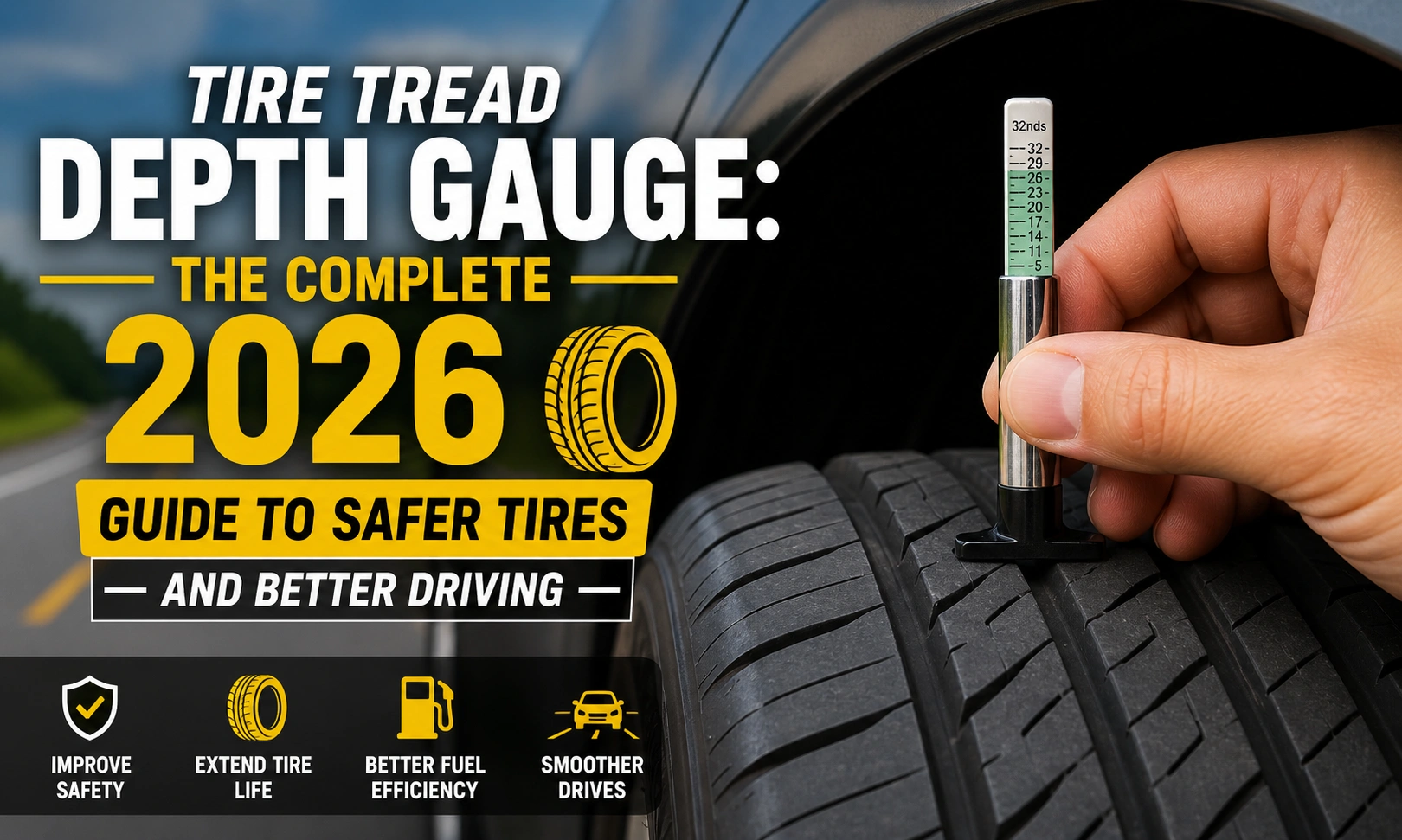
Your tires are the only part of your car touching the road. That small contact patch matters more than most drivers think. Good tread helps your car stop faster, handle rain, and stay stable on rough roads. Worn tread can turn a simple drive into a dangerous situation.
That is why a tire tread depth gauge is such an important tool. It helps you measure tread depth in seconds. You can quickly see if your tires are still safe or if it is time to replace them.
Many drivers ignore tire wear until they notice bald tires, poor grip, or strange handling. Others wait until the tire pressure monitoring system light flashing warning appears. By then, the problem may already be serious.
I learned this the hard way during a rainy highway trip. My SUV felt unstable during braking. The tires looked “fine” from a distance, but a quick tread check showed uneven wear and dangerously low tread. Since then, I always keep a tire depth gauge in my glove box.
In this guide, you will learn how to use a tire tread depth gauge, understand tread measurements, spot unsafe tires, and improve tire life. You will also learn smart tire care tips, including how to rotate tires, choosing the best tires, and avoiding common mistakes.
A tire tread depth gauge is a small tool that measures how deep your tire tread is. Tire tread is the patterned rubber that touches the road. Deep tread gives your vehicle traction and grip. Shallow tread reduces control, especially in rain or snow.
Most gauges measure tread in 32nds of an inch or millimeters. New tires usually start around 10/32″ to 12/32″. Many experts recommend replacing tires at 2/32″, but performance drops long before that point.
Using a tire depth gauge is simple. You place the probe into the tread groove and press the base flat against the tire. The reading shows the remaining tread depth.
Some drivers use the penny test instead of a gauge. That method works, but it is less accurate. A proper tire tread depth gauge gives exact numbers and helps track wear over time.
These gauges are cheap, easy to carry, and useful for every driver. Even if you buy the best trailer tires or the best tires for fuel economy, tread checks still matter.
Tire tread is not just about appearance. It directly affects braking, cornering, and road grip. When tread wears down, water cannot escape properly under the tire. This increases the risk of hydroplaning.
A deep tread helps maintain control during rain, mud, or gravel driving. Drivers using the best gravel tires often depend heavily on tread design for off-road grip.
Here is a quick look at how tread depth affects performance:
| Tread Depth | Tire Condition | Safety Level |
|---|---|---|
| 10/32″–8/32″ | Like new | Excellent |
| 7/32″–5/32″ | Moderate wear | Good |
| 4/32″ | Reduced wet grip | Caution |
| 3/32″–2/32″ | Unsafe in rain | Replace Soon |
| Below 2/32″ | Bald tires | Dangerous |
Many accidents happen because drivers wait too long to replace worn tires. Bald tires struggle in rain and can increase stopping distance by several car lengths.
A tire tread depth gauge helps you avoid these risks before they become dangerous.
Using a tire tread depth gauge only takes a minute. The process is easy, even for beginners.
First, park your car on a flat surface. Turn the steering wheel slightly so you can access the tire grooves. Insert the gauge probe into the deepest tread groove. Push the base flat against the tire surface.
Read the number carefully. Check at least three spots across the tire width. Uneven readings may point to alignment or inflation problems.
Here is a simple step-by-step guide:
| Step | Action |
|---|---|
| 1 | Park on level ground |
| 2 | Insert gauge into tread groove |
| 3 | Press base against tire |
| 4 | Read measurement |
| 5 | Repeat across tire |
I usually check my tires every month. It takes less than five minutes for all four tires. That small habit has helped me spot uneven wear early several times.
If one tire wears faster than the others, you may need tire rotation or suspension work.
Sometimes tires show clear warning signs before they fail. Ignoring them can lead to blowouts or loss of control.
Watch for these symptoms:
The tire pressure monitoring system light flashing warning often means low pressure or sensor issues. In some cases, it may also point to tire damage.
One driver I know ignored a flashing warning light for weeks. During a road trip, the overheated tire failed on the highway. Luckily, nobody was hurt.
Checking tread with a tire tread depth gauge can help you catch problems early before they become expensive or dangerous.
Bald tires are tires with almost no tread left. They are extremely unsafe, especially in rain.
Without enough tread, water stays trapped beneath the tire. This causes hydroplaning, where the tire rides on water instead of gripping the road.
Bald tires also:
Some people wait too long because they want to save money. But replacing worn tires early is cheaper than repairing accident damage.
A tire tread depth gauge gives you exact readings, so you never have to guess if your tires are still safe.
Learning how to rotate tires can save you money and improve handling. Tire rotation means moving tires to different positions on the vehicle to promote even wear.
Front tires usually wear faster because they handle steering and braking. Rotating them spreads wear more evenly.
Common tire rotation pattern options include:
| Vehicle Type | Tire Rotation Pattern |
|---|---|
| Front-wheel drive | Front to rear crisscross |
| Rear-wheel drive | Rear to front crisscross |
| AWD vehicles | X-pattern |
| Directional tires | Front to rear same side |
Most mechanics recommend rotation every 5,000 to 8,000 miles.
I rotate my tires during oil changes. That routine helps me remember and keeps wear balanced.
Using a tire tread depth gauge before and after rotation can help track wear patterns over time.
Many drivers wonder, what does chalk on tires do?
Mechanics and tire shops often use chalk to mark tire positions, alignment issues, or damage spots. Chalk marks help technicians remember which tire came from each corner during rotations or inspections.
Racing teams also use chalk to monitor tire heat and wear. Off-road drivers sometimes mark pressure settings for different terrains.
The chalk itself does not damage tires. It washes away naturally over time.
When checking tires with a tire tread depth gauge, chalk markings can also help track measurements from different sections of the tire.
Buying tires at the right time can save hundreds of dollars. The best time to buy tires is often during seasonal sales.
Popular discount periods include:
Tire shops also offer deals when new models arrive.
If your tire tread depth gauge shows low readings before winter or rainy season, do not wait too long. Prices often rise during peak demand periods.
I once delayed replacing tires until the first snowstorm. Every tire shop nearby raised prices because demand exploded overnight. Since then, I replace tires early and avoid seasonal rushes.
Not all tires perform the same. Different vehicles and driving styles need different tread designs.
Here are some popular choices drivers often search for:
Low rolling resistance tires improve gas mileage. They reduce friction while driving. Many hybrid and commuter drivers prefer them.
CRV owners often choose all-season tires with quiet road performance and good wet traction.
Outback drivers usually want strong all-weather traction for snow, gravel, and rain.
These tires feature aggressive tread patterns for loose surfaces and rough roads.
Trailer tires focus on load strength and stability instead of cornering performance.
Even the best tires still need regular checks with a tire tread depth gauge.
Many people want shiny, clean-looking tires. That is where tire dressing products come in.
The best tire dressing products protect rubber from cracking and fading. They also improve appearance.
Popular options include:
Avoid using harsh chemicals or oily products that attract dirt.
I personally prefer water-based sprays because they look clean without making the tire slippery.
Remember, shiny tires are nice, but tread depth matters more. A beautiful tire with low tread is still unsafe. Always check tread with a tire tread depth gauge before focusing on appearance.
The best tire chains improve traction during snow and ice conditions. They help tires grip slippery roads when normal tread is not enough.
Drivers in snowy areas should keep chains ready during winter travel. However, chains only work properly if the tire itself still has good tread depth.
A tire tread depth gauge helps ensure winter tires remain effective. Snow tires lose performance when tread wears too low.
Before long winter trips:
Good preparation can prevent dangerous winter breakdowns.
Sometimes tire damage happens unexpectedly. Nails, potholes, and sharp debris can destroy a tire quickly.
Searching for mobile tire repair near me can help during emergencies. Mobile tire services come directly to your location and repair or replace damaged tires.
These services are helpful when:
Still, mobile repairs cannot fix badly worn tread. If your tire tread depth gauge shows unsafe wear levels, replacement is usually the better option.
Incorrect tire pressure causes uneven wear. Overinflated tires wear in the center. Underinflated tires wear on the edges.
That is why tread checks and pressure checks work together.
A tire pressure monitoring system light flashing warning may indicate pressure problems. Ignoring it can shorten tire life.
Good tire habits include:
Using a tire tread depth gauge together with proper inflation can extend tire life significantly.
Many drivers accidentally shorten tire life without realizing it.
Common mistakes include:
One of the biggest mistakes is guessing tread depth by sight alone. Tires may look fine but still measure dangerously low.
A simple tire tread depth gauge removes the guesswork and gives accurate information.
Last summer, I helped a friend inspect his SUV before a family vacation. The tires looked normal from a distance. But I used my tire depth gauge and found the inner tread nearly bald.
The outside edges still looked good, hiding the problem completely.
The issue turned out to be poor alignment. Without checking tread depth carefully, he could have driven hundreds of miles on unsafe tires.
After replacing the tires and fixing the alignment, the SUV handled much better. He also noticed improved fuel economy.
That experience showed how important regular tread inspections really are.
You should check your tires at least once a month. Also inspect them before long trips or seasonal weather changes.
Most experts consider 2/32″ unsafe. However, wet-weather grip starts dropping around 4/32″.
Yes, but a tire tread depth gauge is much more accurate and reliable.
Yes. Following the correct tire rotation pattern helps tires wear evenly and last longer.
A flashing light often signals low pressure, sensor problems, or tire issues needing inspection.
In many places, yes. Driving on bald tires may violate safety laws and increase accident risk.
Your tires protect you every time you drive. Good tread improves braking, handling, comfort, and safety. Worn tread increases danger, especially in rain or rough conditions.
A tire tread depth gauge is one of the easiest and smartest tools any driver can own. It costs very little, takes seconds to use, and helps prevent major problems.
Regular tread checks can help you avoid bald tires, improve fuel economy, and extend tire life. Combine tread checks with proper inflation, tire rotation, and seasonal inspections for the best results.
Whether you drive daily, tow trailers, travel off-road, or simply commute to work, keeping an eye on tread depth is one of the best habits you can build.