 11
11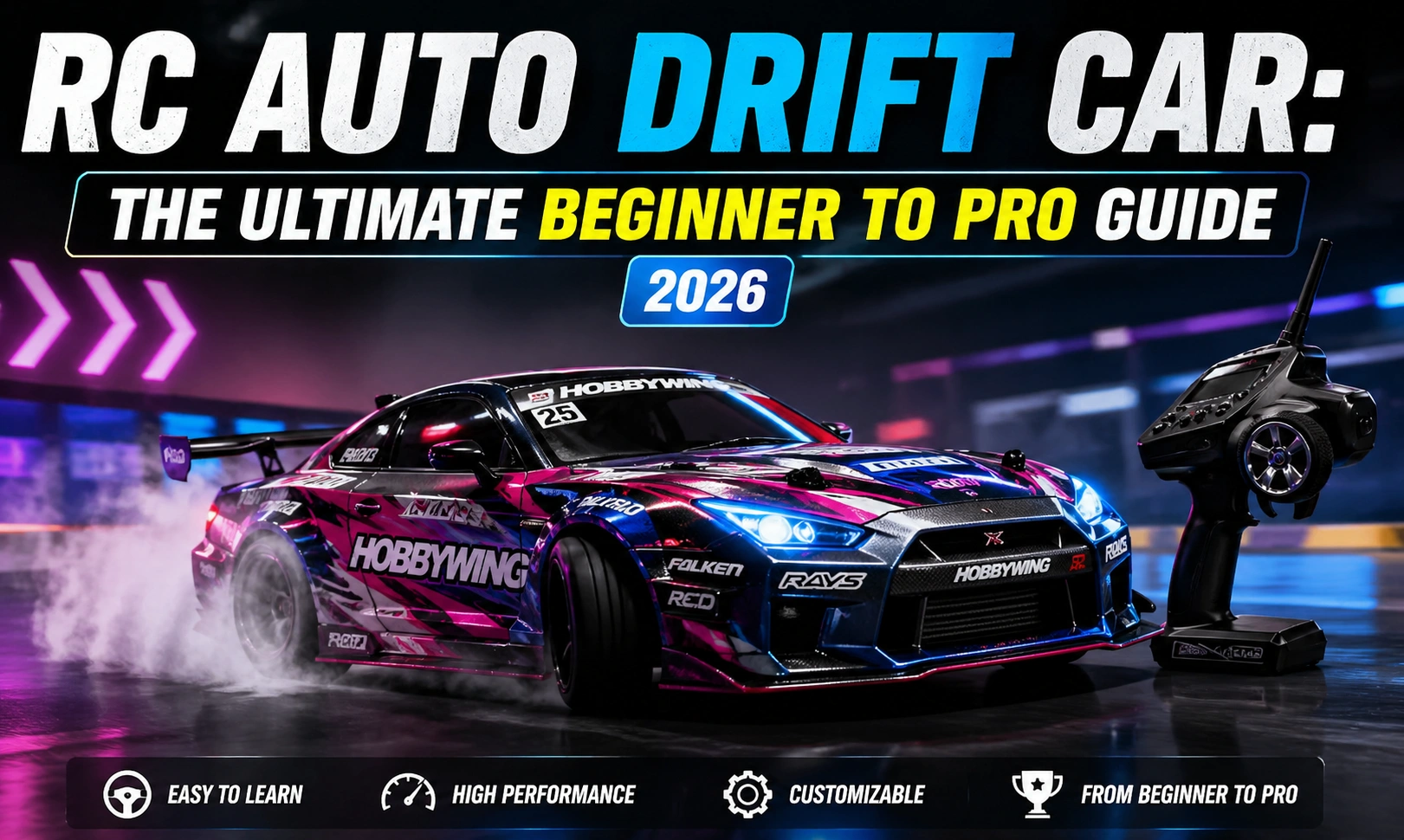
If you’ve ever watched a car slide smoothly around a corner, you know drifting looks exciting. Now imagine doing that yourself—with a small remote-controlled car. That’s where an rc auto drift car comes in. It brings the thrill of real drifting into your hands, without risk or high cost.
This guide will walk you through everything in a simple way. You’ll learn what drifting is, how these cars work, and even how to drift like a pro. Whether you are a beginner or someone looking to improve, this guide will help you step by step.
An rc auto drift car is a remote-controlled car designed to slide smoothly on surfaces. Unlike normal RC cars, these are built for controlled sideways motion. They use special tires, motors, and setups to make drifting easier.
These cars are usually electric and powered by rechargeable batteries. Most come with a controller that lets you steer, accelerate, and brake. The magic happens when you turn sharply while maintaining speed. The car slides instead of gripping the road.
Drifting with these cars feels very real. You control speed and direction at the same time. Many hobbyists say it’s like learning how to drift a car in real life, but safer and more affordable.
RC drifting has grown fast in recent years. Many people enjoy it because it is fun and easy to start. You don’t need a real car or a big budget.
First, it’s a great hobby for all ages. Kids and adults both enjoy it. Second, it builds skills. You learn control, timing, and coordination. Third, it connects people. Many cities now have drift tracks and clubs.
Also, an rc auto drift car can be used indoors and outdoors. You can drift in your garage, driveway, or even a parking lot. This makes it very flexible compared to other hobbies.
Before learning how to drift a car, it’s important to understand the basics. Drifting happens when the rear wheels lose grip. The car slides sideways while still moving forward.
In RC drift cars, this is easier because of hard plastic tires. These tires reduce grip, allowing smooth sliding. The motor provides power, while the steering controls direction.
Here’s a simple breakdown:
| Component | Role in Drifting |
|---|---|
| Motor | Provides speed |
| Tires | Control grip and slide |
| Steering | Directs movement |
| Battery | Powers the system |
When you combine these parts correctly, drifting becomes smooth and controlled.
Not all drift cars are the same. Choosing the right type can improve your experience.
There are two main types:
| Type | Description | Best For |
|---|---|---|
| AWD (All-Wheel Drive) | Power goes to all wheels | Beginners |
| RWD (Rear-Wheel Drive) | Power only to rear wheels | Advanced users |
AWD cars are easier to control. They help beginners learn how to drift in car conditions. RWD cars feel more realistic but need better control.
If you are new, start with AWD. Once you gain confidence, move to RWD for better realism.
Learning how to drift a car with RC is simple if you follow steps. Start slow and build confidence.
First, find a smooth surface. Polished floors or asphalt work best. Then, gently accelerate. Do not go full speed.
Now turn sharply while pressing the throttle. The car will start to slide. Adjust your steering to keep control. This is the basic drift.
Practice this many times. You will improve quickly. The key is patience and control.
Many beginners ask, how do you drift a car properly? The answer is simple: balance speed and steering. Too much speed causes spins. Too little speed stops the drift.
Once you learn the basics, you can try advanced moves. These make drifting more exciting.
One popular method is the “figure 8 drift.” You drift in a pattern that looks like the number 8. It improves control and timing.
Another technique is “counter steering.” This means turning the wheel opposite to the slide direction. It helps maintain balance during drift.
You can also try tandem drifting. This involves drifting with another car. It’s fun but requires practice.
If you wonder how drift car experts do it, the answer is practice and control. They spend hours improving their skills.
Surface plays a big role in drifting. Some surfaces make it easier, while others make it harder.
Here are common options:
| Surface | Drift Quality |
|---|---|
| Polished concrete | Excellent |
| Tile floors | Very good |
| Asphalt | Good |
| Carpet | Poor |
Smooth surfaces reduce grip and allow better sliding. Avoid rough surfaces because they stop the drift.
If possible, create a small drift track at home. It makes practice more fun and effective.
Buying your first rc auto drift car can be confusing. There are many options available.
Look for these features:
Also, check reviews before buying. A good car will last longer and perform better.
Beginners should avoid very cheap models. They may break easily and reduce enjoyment.
Taking care of your RC car is important. Proper maintenance keeps it running smoothly.
Clean your car after each use. Dust and dirt can affect performance. Check tires regularly. Replace them if worn out.
Also, charge batteries properly. Do not overcharge or fully drain them. This increases battery life.
Keep spare parts ready. Small repairs are common in RC hobbies.
A well-maintained rc auto drift car will perform better and last longer.
Everyone makes mistakes when starting. Knowing them helps you improve faster.
One common mistake is too much speed. Beginners think faster is better, but it causes spins.
Another mistake is poor steering control. Sudden movements make drifting unstable.
Also, many people ignore surface choice. A bad surface makes drifting harder.
If you are learning how to car drift, focus on control, not speed. Slow practice builds strong skills.
This hobby offers more than just fun. It has real benefits.
It improves focus and coordination. You learn to react quickly and think ahead. It also reduces stress. Drifting can be relaxing and enjoyable.
Additionally, it builds creativity. Many users customize their cars with designs and upgrades.
An rc auto drift car is not just a toy. It’s a skill-building hobby.
From my experience, starting with RC drifting was both fun and challenging. At first, I struggled with control. My car kept spinning out.
But after practicing daily, I improved. I learned how drift car control works. Small adjustments made a big difference.
One tip that helped me was practicing slow. Speed comes later. Control comes first.
I also joined an online community. Watching others helped me learn faster.
If you stay consistent, you will see progress quickly.
The best option is an AWD drift car. It offers better control and stability for new users.
Start slow, turn sharply, and maintain throttle. Balance is key for smooth drifting.
Yes, smooth indoor surfaces like tiles or polished floors work very well.
Most batteries last 20–40 minutes per charge, depending on usage.
Not at first. Basic models work fine. Upgrades help once you gain experience.
It can be affordable. Entry-level cars are budget-friendly, and upgrades are optional.
An rc auto drift car is one of the most exciting hobbies you can start today. It combines fun, skill, and creativity in one package.
You don’t need a big budget or expert knowledge. Just start with a basic car and practice regularly. Over time, you will learn how to drift in car conditions like a pro.